


Bold Reforms to Cut Years from Federal Approval Timelines
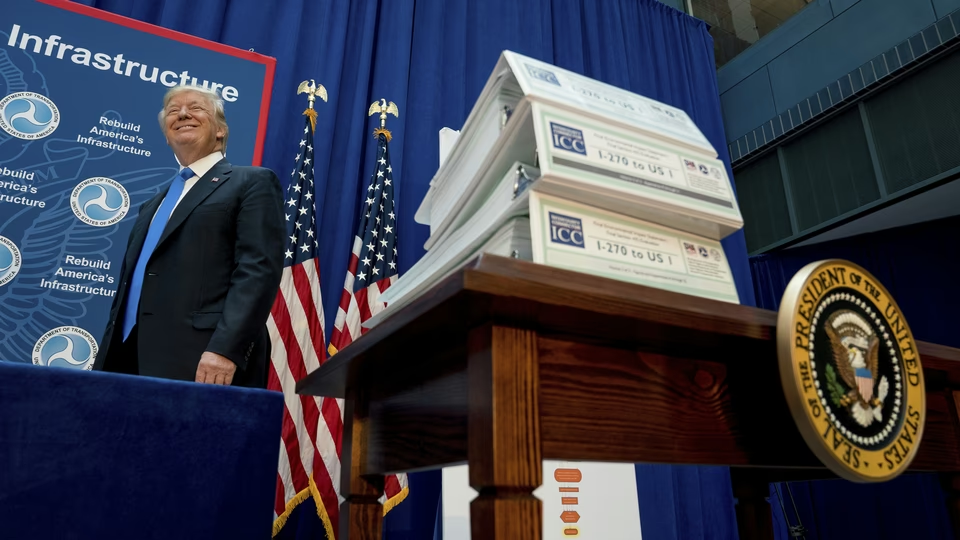
Trump Permitting Overhaul, The Trump administration has launched sweeping reforms to overhaul environmental permitting. The goal is to fast-track major infrastructure projects like roads, bridges, and railways. The Department of Transportation (DOT) is leading the charge with new rules designed to remove bureaucratic bottlenecks.
Historically, the DOT has been one of the slowest agencies in terms of approvals. Federal data shows that the Federal Highway Administration and Federal Aviation Administration each take over seven years to finish environmental reviews. The Federal Transit Administration and Federal Railroad Administration often need more than five years. These excessive timelines have long delayed critical public works.
America’s Aging Infrastructure Needs Urgent Action
The average bridge in the United States is now 47 years old. Most were designed for a 50-year lifespan. That means thousands of bridges across the country are overdue for upgrades or replacements. Rapid permitting is no longer optional—it’s essential for public safety.
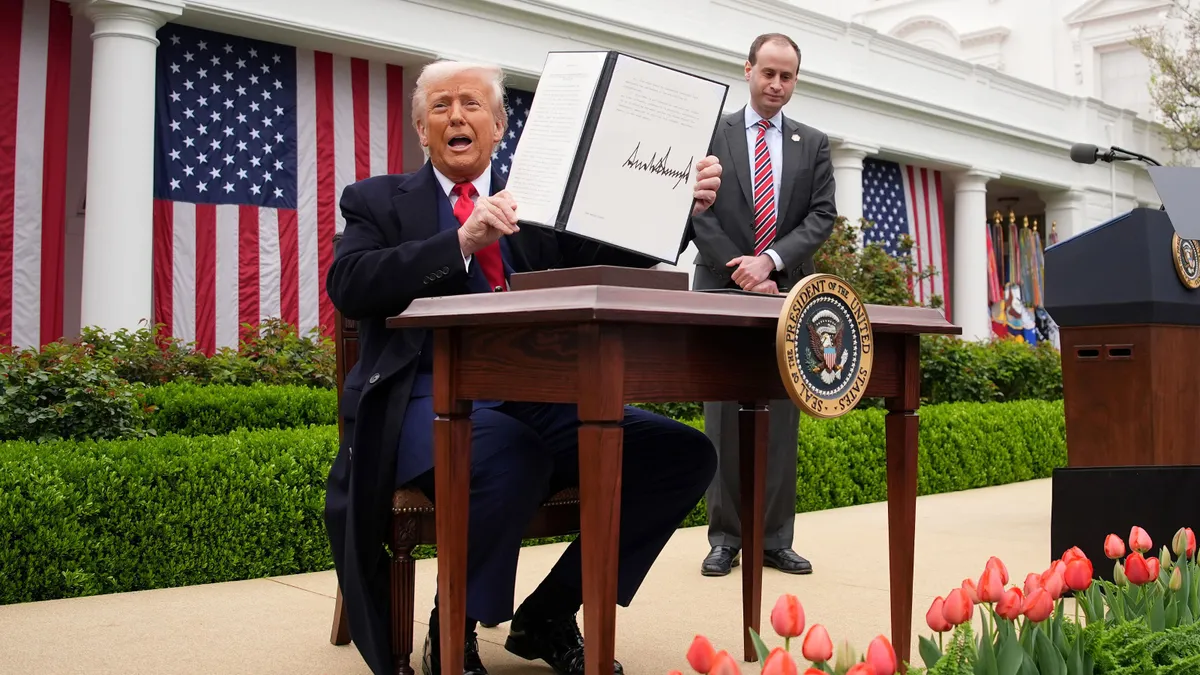
Delays caused by outdated environmental policies only increase risks. President Trump’s permitting overhaul addresses this urgent need head-on by modernizing the review process. The DOT has promised to set clear deadlines, page limits for review documents, and expand categorical exclusions to streamline project approvals.
New Rules Slash Red Tape and Speed Up Construction
The updated guidelines from the Transportation Department are the most significant in nearly 40 years. By narrowing the number of projects that require full environmental permitting, the agency is cutting years off the development timeline. These revisions also allow certain projects to skip redundant reviews that add little value but cost time and money.
According to Transportation Secretary Sean Duffy, the reforms will “usher in a golden age of transportation.” He emphasized that unelected bureaucrats have too often used environmental reviews to stall or stop progress. With these changes, the system now favors efficiency without sacrificing safety or environmental care.
Energy and Export Projects Also Stand to Gain
While the focus is on roads and bridges, the impact of these reforms goes further. The Transportation Department also oversees select energy projects, including deepwater liquefied natural gas terminals. These are critical to national energy independence and export capacity.
Under the new guidelines, such projects can expect faster approvals, lower costs, and fewer legal challenges. The administration believes that reducing delays will drive investment, boost employment, and secure America’s economic future.
Challenging the Biden-Era Permitting Framework
The Trump reforms directly challenge the complex regulatory framework built under President Biden. Diane Katz from the Heritage Foundation criticized the Biden-era rules for inflating project costs and opening the door to activist-driven litigation. The Trump administration is actively working to roll back those policies and replace them with a streamlined, common-sense approach.
Secretary Duffy made it clear: “It takes too long to build in America.” His team is determined to change that reality, arguing that modern infrastructure is key to long-term prosperity.
A New Era of Infrastructure Development
In today’s economic climate, speed matters. Whether it’s a rural bridge or a massive rail project, faster permitting equals faster jobs and growth. With these historic changes, the Trump administration is laying the groundwork for a future built on efficiency, innovation, and bold leadership.
The new rules don’t just fix a broken system—they redefine how America builds.
For more latest news checkout our website: usnewsinsight